108 places · 2 areas · every one sourced, pinned and status-checked · last checked · 1 closed, kept for the record. Ordered by tier, then by number of named sources. How we choose
& its region — Gravensteen · the Ghent Altarpiece · Graslei · Patershol · the Leie
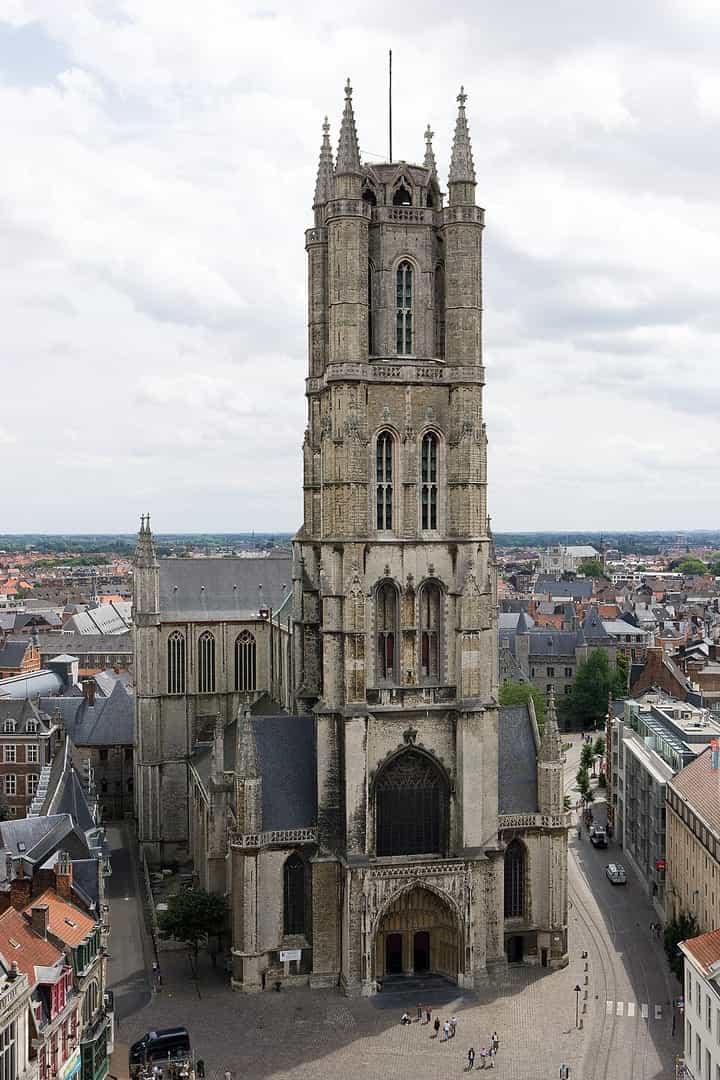
Ghent's cathedral houses the world's most famous polyptych, Hubert and Jan van Eyck's 'Adoration of the Mystic Lamb' (Het Lam Gods, 1432) — still on view in situ, with a state-of-the-art visitor centre. The lower church and crypt add centuries of art.
Two rival carts side by side on the Groentenmarkt sell Ghent's raspberry cone-sweets, the cuberdon or 'neuzeke' — a decades-long feud (the viral 'war of the noses') that has become city folklore.
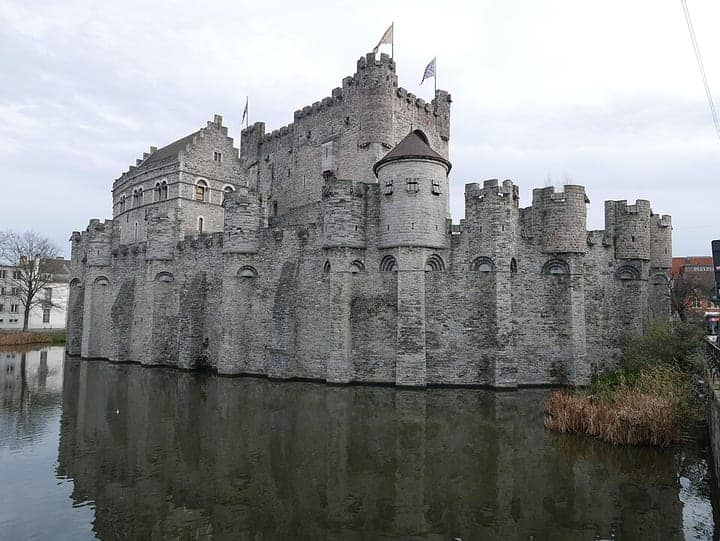
The moated 12th-century castle of the Counts of Flanders in the very heart of the city — a rare intact medieval fortress with ramparts, towers and a torture-instrument collection, reached over its own drawbridge.
The 91-metre 14th-century belfry, a UNESCO World Heritage 'Belfry of Belgium and France', crowned by a gilded dragon; the middle tower of Ghent's famous three-tower row, with a glass lift to a panoramic viewing gallery.
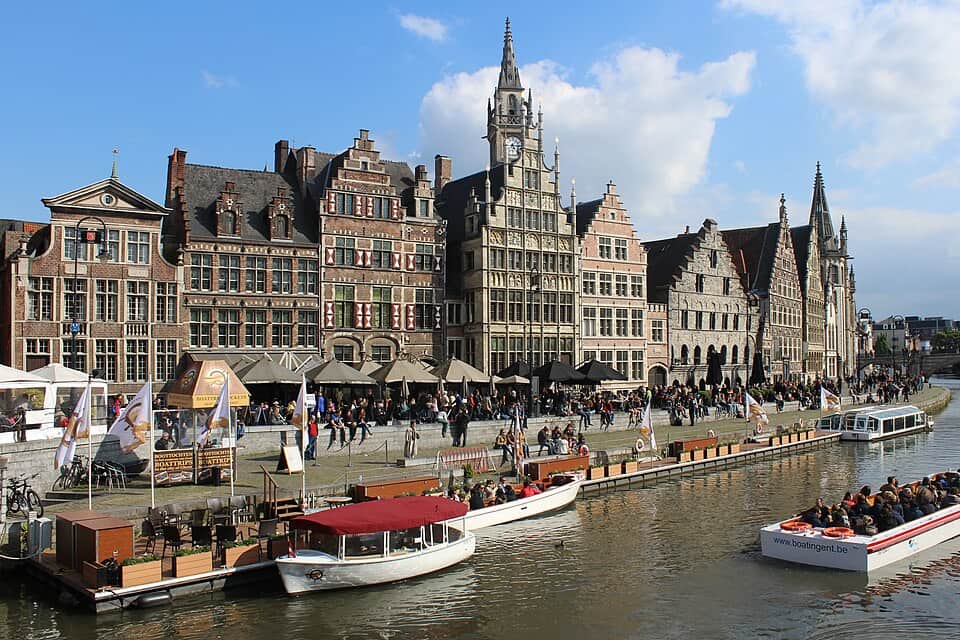
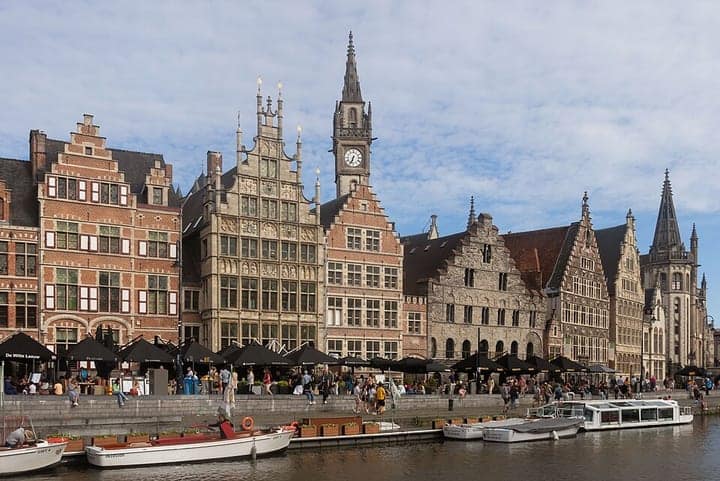
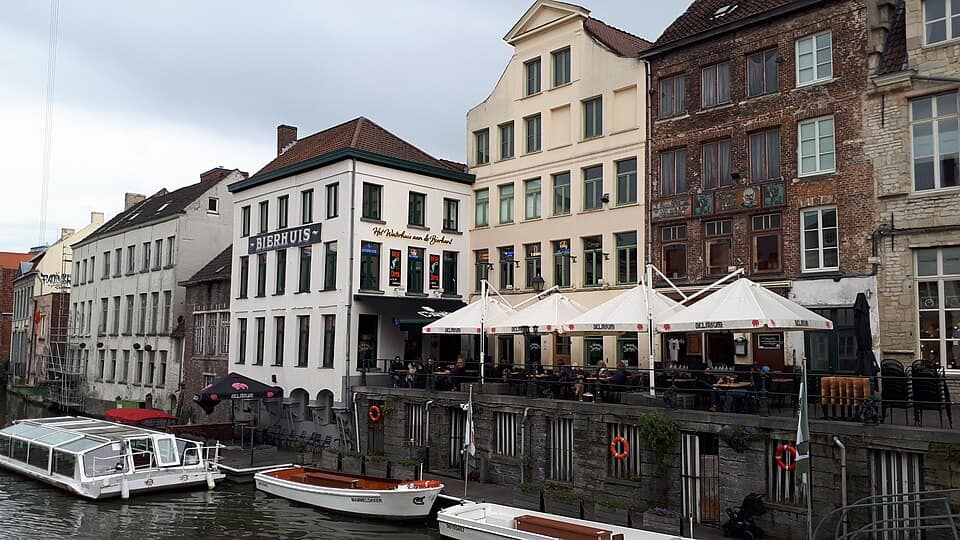
The medieval inner harbour on the Leie, lined with guild houses spanning Romanesque to Baroque; Ghent's most photographed quays and, at dusk, the city's living room for a drink by the water.
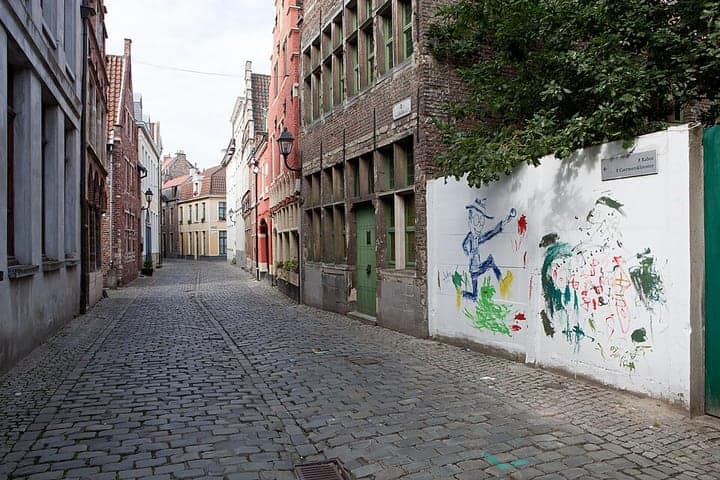
A cobbled alley opened to street artists in 1995 and repainted constantly — a free, ever-changing open-air gallery a few steps from the City Hall. You never see the same walls twice.
A pocket of winding medieval lanes and cobbles behind the Gravensteen — once a tanners' and weavers' quarter, now Ghent's most atmospheric restaurant-and-café district.
Ghent's grand civic square, site of markets, joyous entries and bloody guild battles for seven centuries; at its centre the 1863 bronze of Jacob van Artevelde pointing toward England. The 14th-century Toreken guildhouse stands on the corner.
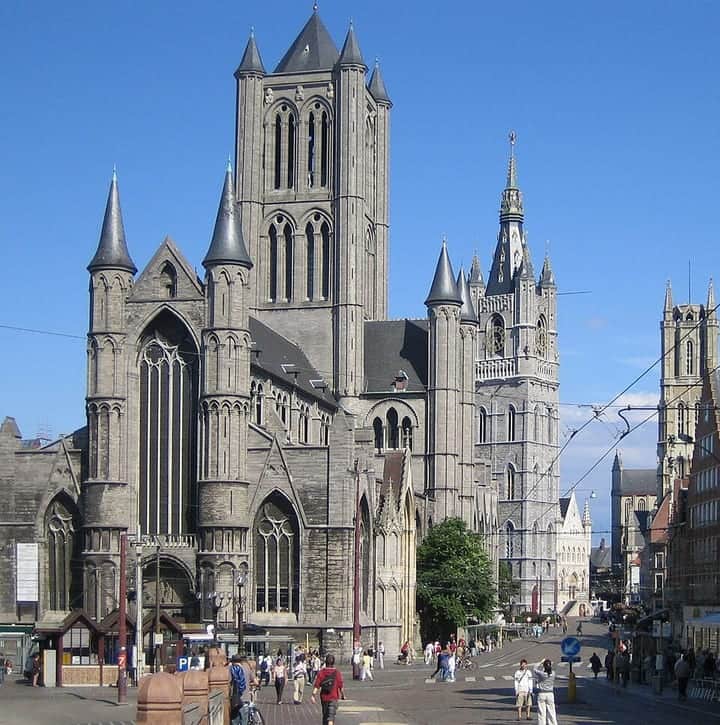
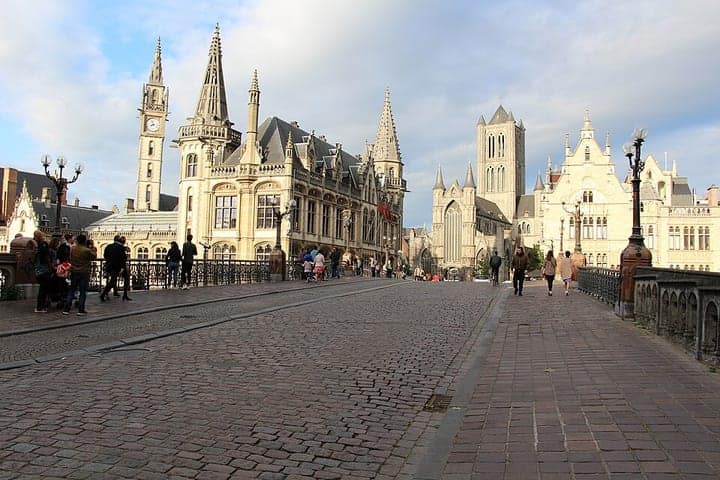
A pure example of Scheldt Gothic in blue Tournai stone, built from the 13th century by the merchants of the Graslei and dedicated to St Nicholas, patron of traders. The first of Ghent's three towers.
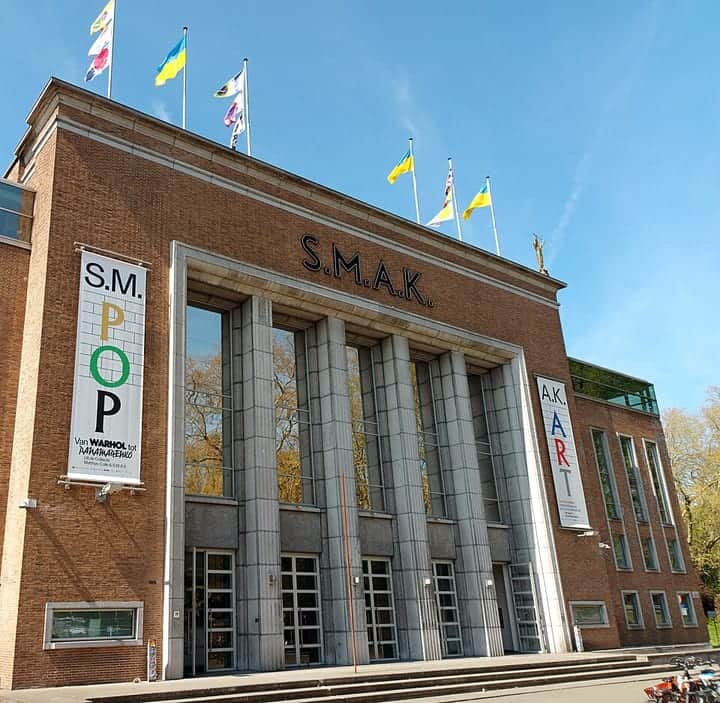
Ghent's museum of contemporary art, built by Jan Hoet into an international name — post-war and living artists from Bacon and Broodthaers to Panamarenko, with restlessly changing shows.
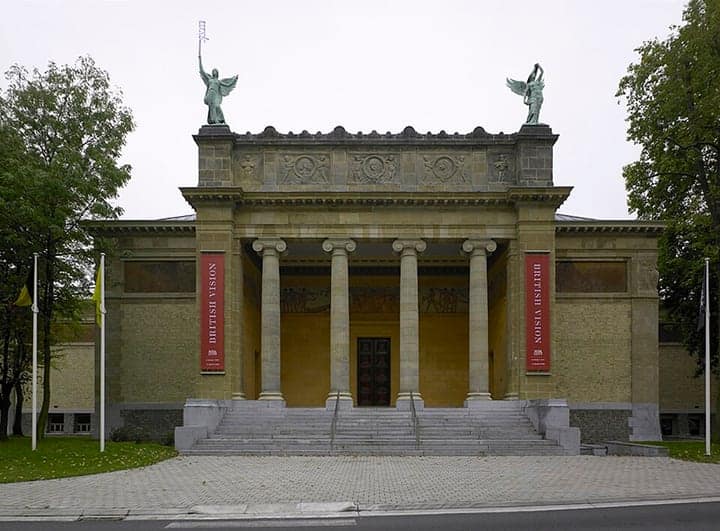
The Fine Arts Museum in Citadelpark: six centuries from Hieronymus Bosch and the Flemish Primitives to Ensor and the Symbolists, in a serene neoclassical building.
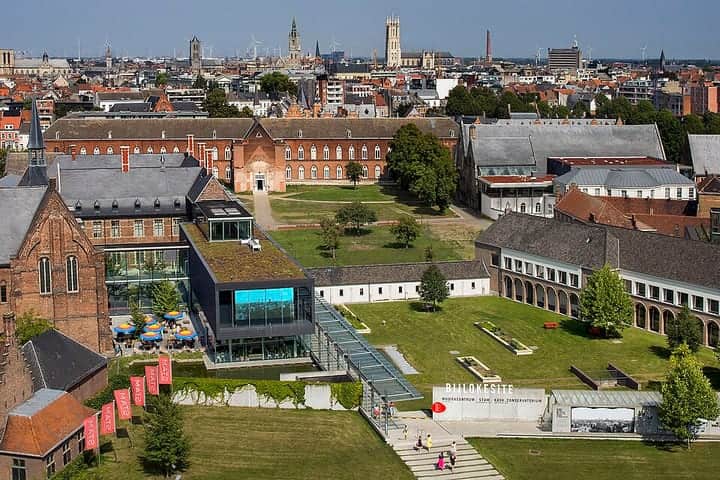
The city museum set in the medieval Bijloke abbey and hospital, telling Ghent's story from Roman settlement to today — including a walk-on aerial photo of the whole city.
The stone bridge that frames Ghent's picture-postcard view — Graslei, Korenlei and the three towers all in one sweep. The single best free vantage point in the city.
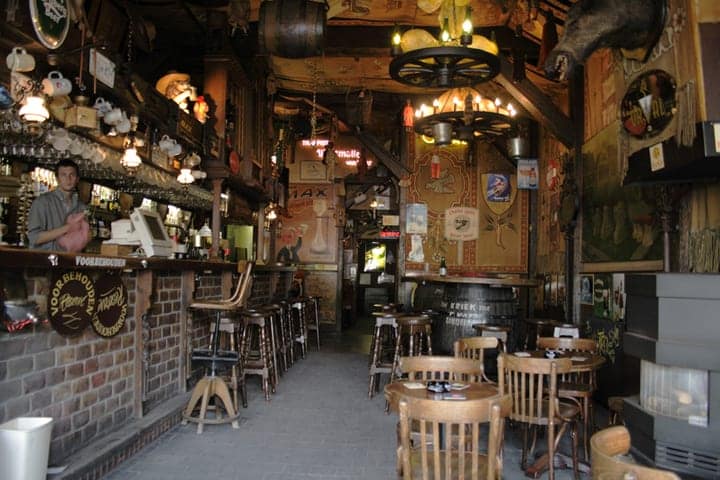
Ghent's most famous beer café, with the city's largest Belgian-beer list (500+). Order the 1.2-litre house boot and you hand over a shoe as deposit, hoisted to the ceiling in a basket until you return the glass.
A canalside brown pub in a former riverside house with a waterfront terrace and around 175 beers, including its own Klokke Roeland. The classic Ghent beer stop, next to its jenever annex.
A tiny jenever house on the water beside the Waterhuis, pouring only genever — over 200 kinds, from cactus to vanilla to chocolate — served ice-cold and brimful.
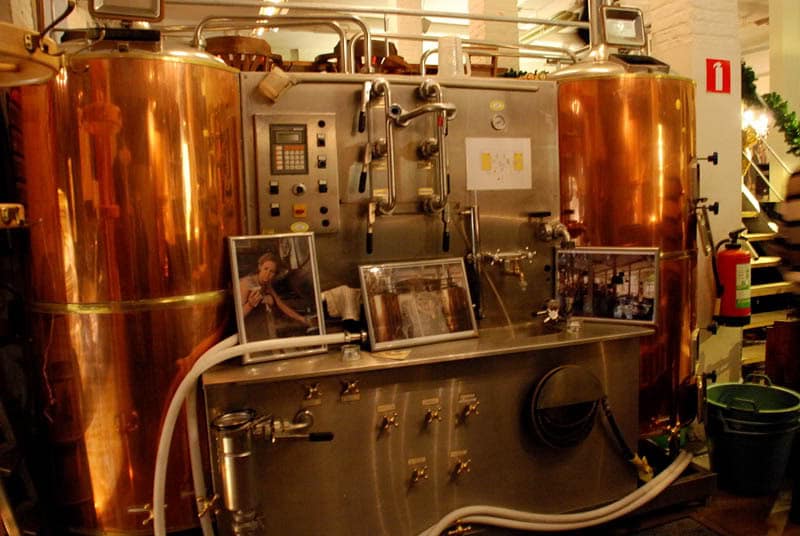
Annick De Splenter's city brewery revives 'gruut' — a medieval herb blend used instead of hops — in five house beers plus a rotating 'Maîtresse'. Tours and a canalside brewery bar in the centre.
An authentic Patershol brasserie that does the Ghent classics properly — creamy waterzooi of farm chicken and beef stoverij braised in beer — in a warm, cosy room.
Chef Olly Ceulenaere's one-star restaurant, quietly one of Belgium's most influential kitchens — a set surprise menu built around vegetables, ferments and Flemish produce.
Ghent's pioneering veg restaurant, open since 1996 and now fully vegan — burgers, bowls and daily specials that helped make the city Europe's self-styled veggie capital.
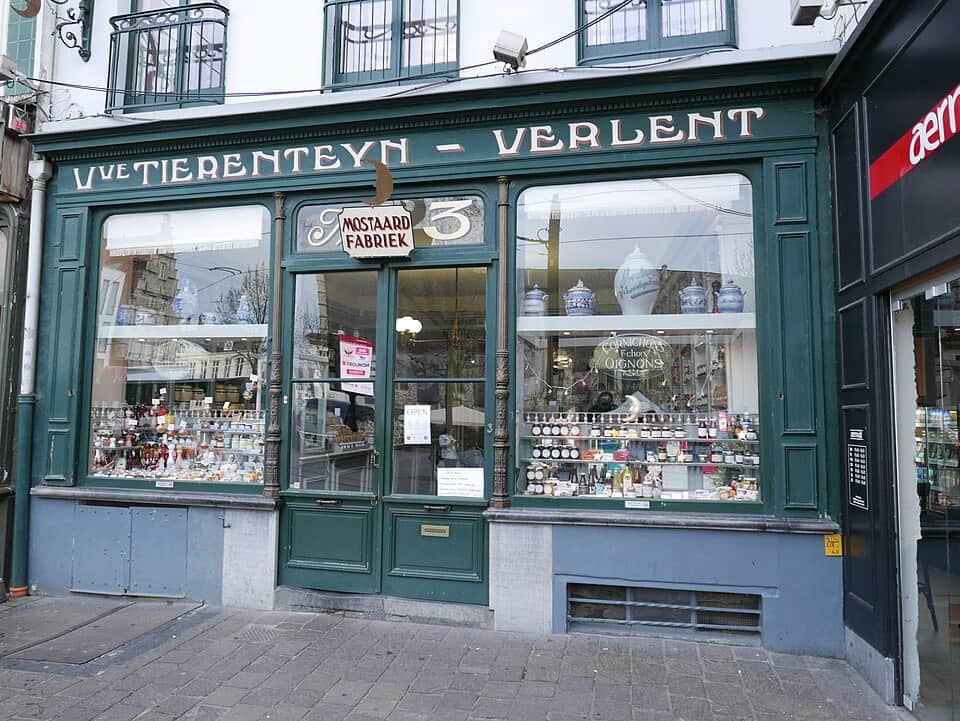
A mustard shop unchanged since the 19th century, making Ghent's pungent mustard on the premises and scooping it, still fizzing, from a cellar barrel into stoneware pots before your eyes. Founded 1790.
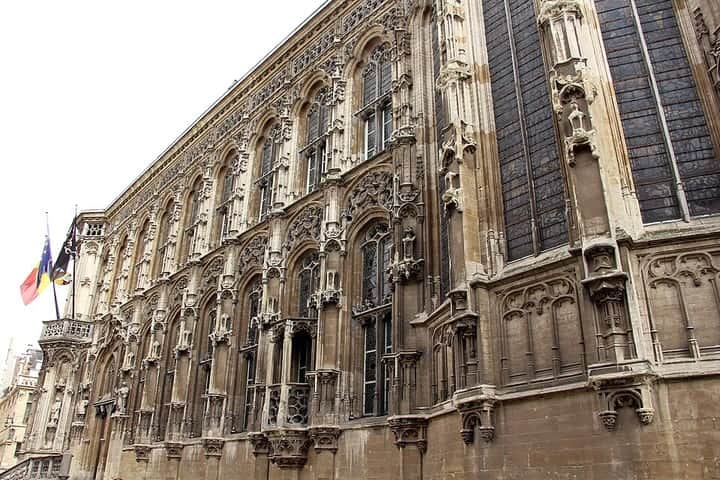
Ghent's City Hall wears two faces on one block: flamboyant Late Gothic and sober Renaissance. Inside, the Pacificatiezaal recalls the 1576 Pacification of Ghent.
Look for Gothic-and-Renaissance city hall
Botermarkt 1, 9000 Gent, Belgium
By ,
Around Ghent20 places · area 2 of 2
Sint-Martens-Latem · the Leie · Deinze · student belt
How we choose
Named sources recommend every place; review sites never do. Each is pinned to its door and status-checked. Closed places stay, marked closed.
Must see
The places to plan a visit around, graded within each area.
Worth the detour
Strong picks, worth going out of your way for.
Deep cut
For the curious: smaller, odder, more local.
Within each area: by tier, then by named sources, never by popularity. We don’t add ratings, prices or opening hours of our own.
Follow changes — an RSS feed of every closure and status check in this guide.
About this guide
108 places in 2 areas, each recommended by at least two independent sources (50 in all) or one institution such as Michelin.
Every place was checked open and pinned between 4 Sep and 30 Oct 2026. Closed places stay, marked closed.
Photos for 47 places; the rest show a designed cover.
53 sights and 55 places to eat across Ghent and its region — from the moated Gravensteen and St Bavo’s Cathedral with the Ghent Altarpiece (Van Eyck) to the Graslei/Korenlei quays, the Belfry, the medieval Patershol, SMAK/MSK and the Werregarenstraat graffiti alley, out to Sint-Martens-Latem and the Leie. A food canon all its own: Gentse waterzooi and stoverij, the purple cuberdon (neuzekes) carts, Tierenteyn mustard, the Gruut city brewery and the boot of beer at Dulle Griet — plus Europe’s veggie capital.
Keep Ghent offline
Every place, its sources, the Guidebook and small photos. Map tiles are not saved; offline, a drawn street map with our pins stands in.
Filters
108 places
⇅Sort: Guide’s orderSort: Most sourcesSort: A–ZSort: Nearest to meSort: Nearest to my base
Places stay grouped by area.
Show
How this guide was made
How the cuisine filters were policed
Every food card names a specific dish or beer — a label alone doesn’t qualify. The Ghent canon: waterzooi, Gentse stoverij, the cuberdon (neuzekes), Tierenteyn mustard and a strong veg bench — with the Gruut brewery and jenever at ’t Dreupelkot. Beer & breweries are their own grouped layer. A cuisine tag names the kitchen’s own tradition, never one dish it serves.
Web-searched in-language and fact-checked
Every place is traceable to a credible source — Michelin, UNESCO, Gault&Millau, De Standaard, Het Nieuwsblad, VRT NWS, Visit Gent, beer authorities and vetted local creators. Every address and pin is checked against the official site or a map and every place status-checked open. Yelp/TripAdvisor/RateBeer never count toward the two-source bar.