283 places · 5 areas · every one sourced, pinned and status-checked · last checked · 1 closed, kept for the record. Ordered by tier, then by number of named sources. How we choose
& the Greater Region — Saarland · Lorraine · Luxembourg · Mosel
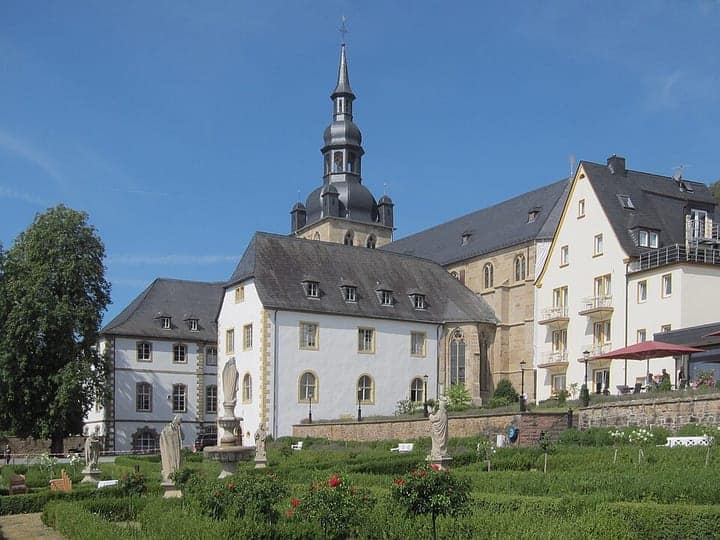
Reckoned the oldest monastery on German soil, with roots in the 7th century on a Roman villa site and an early-Gothic abbey church of 1230-60. Newly fitted with 30 luminous windows by Mahbuba Maqsoodi and three towering choir windows by Gerhard Richter — a pilgrimage for lovers of contemporary church art, with abbey beer, wine and honey to take home.
Look for abbey
Benediktinerabtei St. Mauritius, 66636 Tholey, Germany
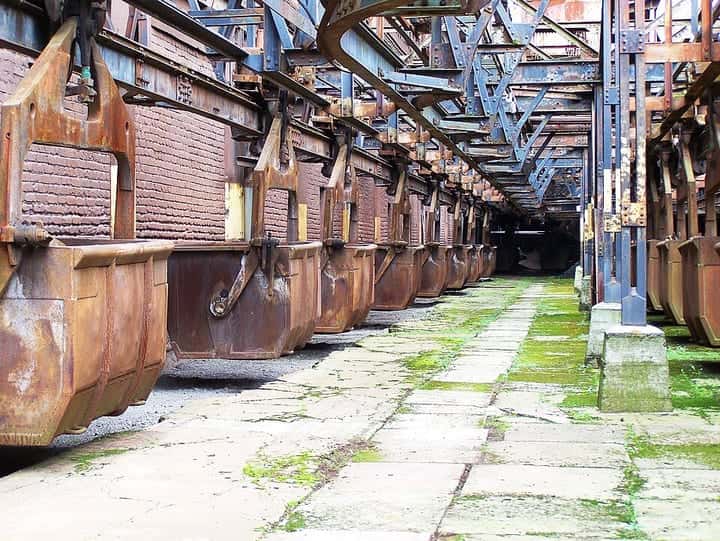
The world's only completely preserved ironworks from the heyday of industrialisation, inscribed on the UNESCO World Heritage list in 1994 — the first industrial site ever so honoured. Walk the 240 m charging platform and climb the 40 m blast-furnace viewing deck; today it doubles as a monumental venue for exhibitions and festivals.
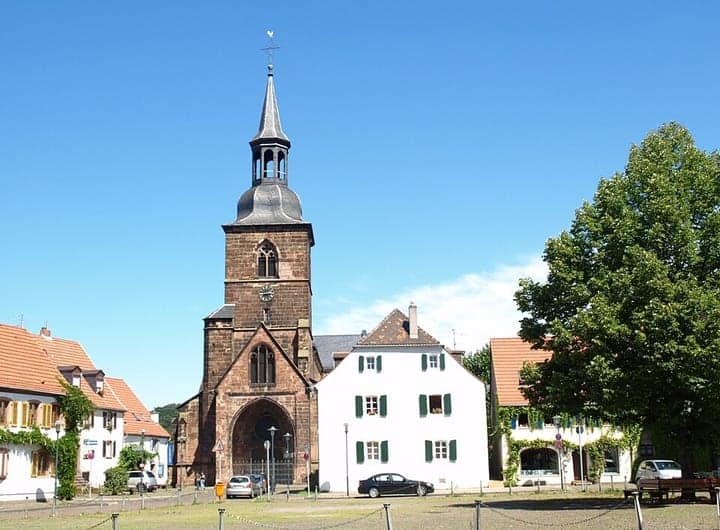
A completed-around-1390 Gothic three-aisled basilica ranked among the most important architectural monuments of the German southwest, holding the carved gravestones of the Counts of Nassau-Saarbrücken and crowned by a Stengel cupola of 1746. It anchors St. Arnual, the medieval 'village within the city' with its own market square.
Look for church
Stiftskirche St. Arnual, 66119 Saarbrücken, Germany
One of the leading art museums of southwest Germany, its holdings running from Impressionism and the Berlin Secession through German Expressionism, the École de Paris and Informel to the present, with a sculpture garden. The modern wing of the Saarlandmuseum, recently enlarged by a new pavilion.
Europe's largest man-made red-sandstone caves, twelve storeys of vaulted halls and kilometres of galleries dug from the 11th to 17th centuries beneath the ruins of Hohenburg fortress. About 800 m across the top three walkable levels are open, glowing in bands of ochre and red.
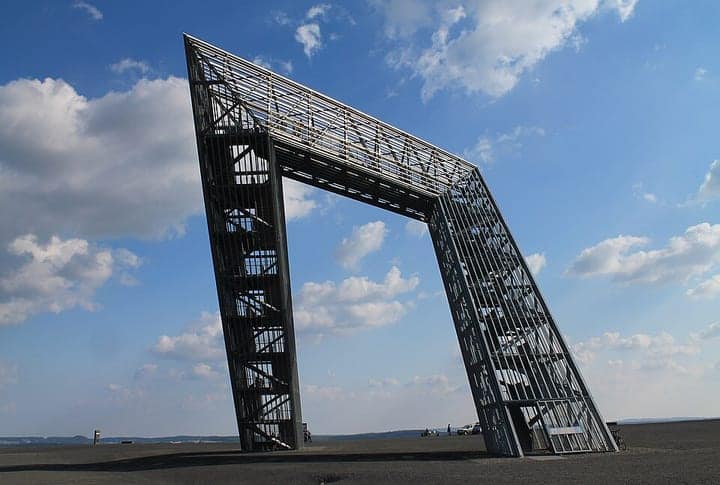
A 30 m walkable steel landmark crowning the ~150 m mining dump above Ensdorf, opened in 2016 to commemorate the end of Saar coal mining (the last pit closed here in 2012). 132 steps climb through its two pylons to a free viewing platform that seems to change shape as you move — a symbol of the region's transformation.
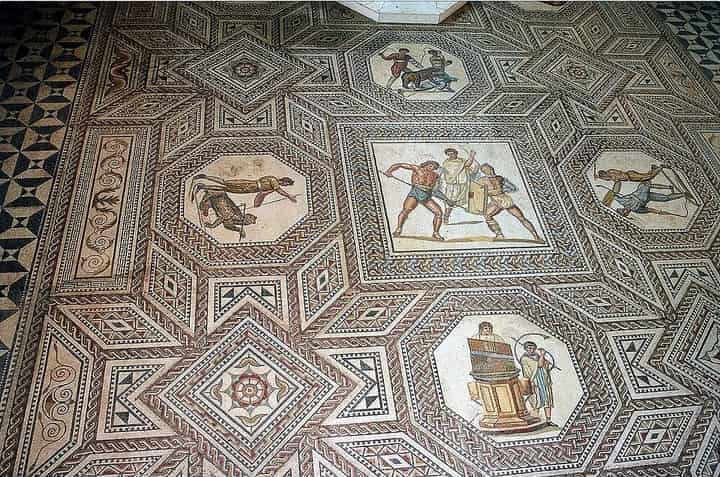
A luxurious Roman villa whose entrance hall keeps the largest and best-preserved mosaic floor north of the Alps — over 160 m² of some three million stones showing gladiators, beast-hunts and musicians of the amphitheatre, found by a farmer in 1852. One of the outstanding works of Roman mosaic art anywhere.
Saarbrücken's two-MICHELIN-star flagship in the Nauwieser Viertel, in an 1890 Gründerzeit former school turned boutique hotel. Chef Silio Del Fabro — Gusto's Koch des Jahres 2026 — cooks supremely fresh, farm-sourced seasonal produce; the city's benchmark fine-dining table right in its creative quarter.
A century-old family restaurant-and-butcher in the village of Bliesen that has held a MICHELIN star for over two decades under Alexander and Anke Kunz. Precise French classics sit beside the house's own charcuterie and a famous Wiener Schnitzel — the Saarland's rural fine-dining destination and a Jeunes Restaurateurs member.
Saarbrücken's temple of haute cuisine, in a Wilhelminian villa with its own park; a MICHELIN-Guide fixture (long a three-star, currently two) where Klaus Erfort serves an uncompromising, produce-driven classic French menu. The Saarland's flagship fine-dining address.
Germany's benchmark table right where Germany, France and Luxembourg meet, at Victor's Residenz-Schloss Berg. Christian Bau has held three MICHELIN stars uninterrupted since 2005 for a French haute cuisine fused early and brilliantly with Japanese product; ranked among the world's top ten on La Liste.
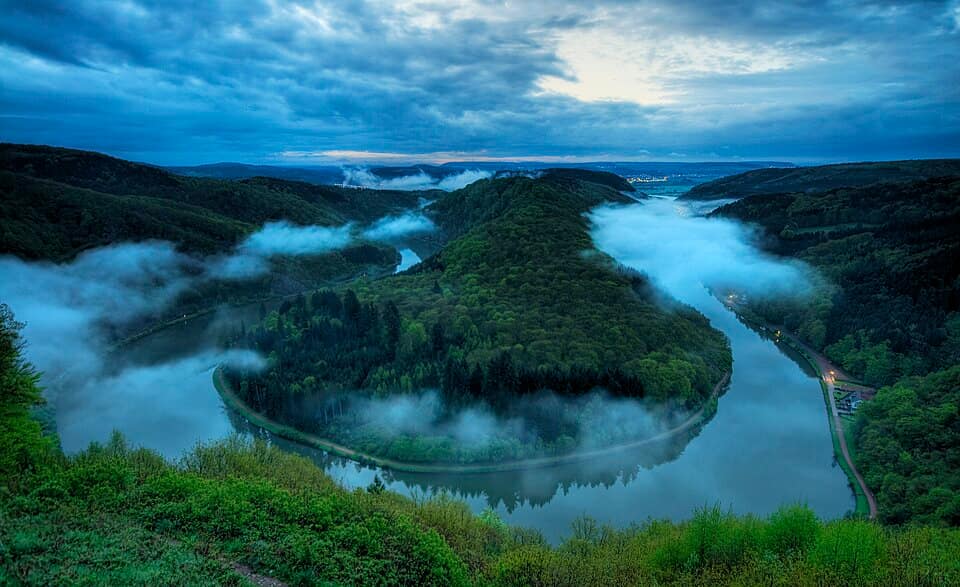
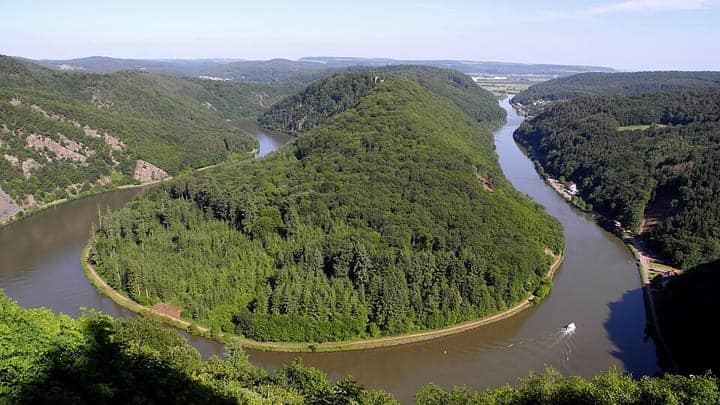
Saarland's signature landscape: the river doubling back on itself in a great loop 180 m below the free Cloef viewpoint at Orscholz — the most photographed view in the state.
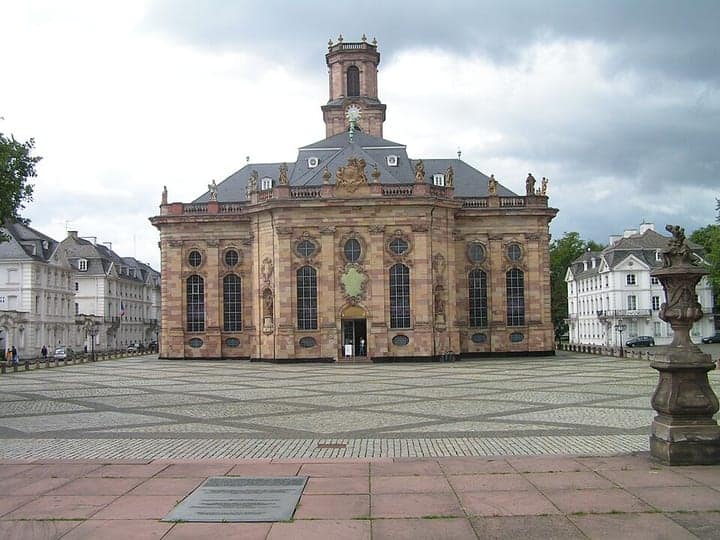
Saarbrücken's landmark and the crown of baroque master builder Friedrich Joachim Stengel's 'Ludwigsplatz' ensemble — reckoned among Germany's most important Protestant churches alongside Dresden's Frauenkirche.
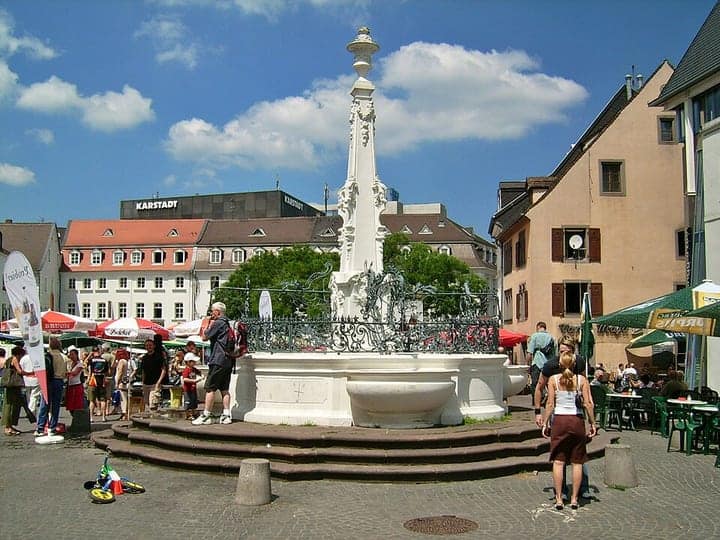
The lively heart of Saarbrücken — a pedestrian old-town square of boutiques, bistros and pubs around Stengel's 1759 baroque market fountain, with a sight-axis to the castle across the Saar.
Stengel's 18th-century baroque palace on the sandstone cliff above the Saar, its centre rebuilt in glass-and-steel by Gottfried Böhm; beneath and beside it the Historisches Museum Saar tells the region's turbulent border history.
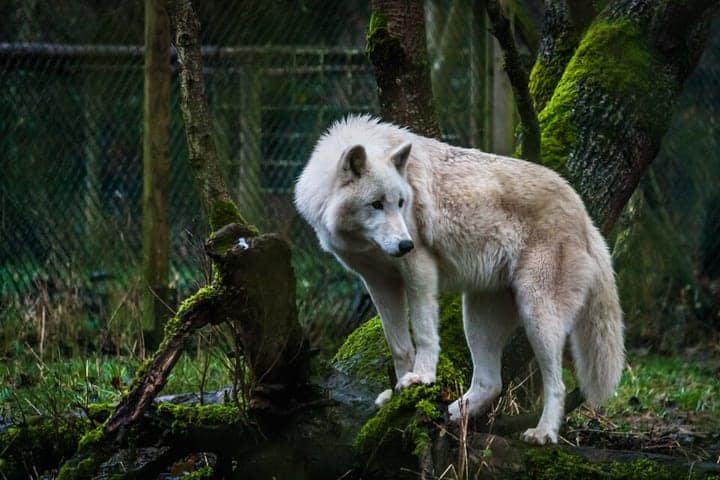
The 8-hectare wolf park that made Merzig the 'city of wolves', home to around 20 European grey, polar, Canadian timber and Mongolian wolves in wide open enclosures. Founded by behavioural researcher Werner Freund, who lived for decades 'as a wolf among wolves'; free to walk through, with a monthly public feeding and talk.
Saarbrücken's oldest inn, on the St. Johanner Markt, brewing its own beer and plating the city's most robust Saarland cooking — Gefillde, the Saarland-Teller, hearty pub classics. The definitive place to eat the region's home kitchen in the capital.
A cult currywurst-and-gin bar off the St. Johanner Markt using meat from Bliesgau cattle raised nearby, with vegan sauces too. Named best currywurst in Germany by the Süddeutsche Zeitung and West Germany's most popular by Falstaff (2023) — a genuine Saarbrücken institution of the young-scene kind.
Creative crossover cooking in a listed Jugendstil villa with a garden terrace in Alt-Saarbrücken. A MICHELIN-Guide listing and 84 Falstaff points make it one of the city's most charming higher-end tables below the two-star bench.
Sternekoch Cliff Hämmerle serves classic French cooking with creative, vegetable-forward touches from the surrounding UNESCO Bliesgau biosphere, split between the fine 'Barrique' room and the more affordable 'Landgenuss'. One MICHELIN star, 16 points in Gault&Millau and 7 pans in GUSTO; at the Chef's Table the chef plates and explains each course himself.
A MICHELIN-starred French kitchen in a green setting in the heart of St. Ingbert, 15 minutes from Saarbrücken, led by head chef Florian Dauphin and Lorena Jil. Seasonal dishes rooted in French tradition, offered à la carte or as a menu, with six guestrooms above — one of the top addresses in the Saarpfalz.
Saarbrücken's alternative, creative quarter — a dense grid of quirky pubs, cafés, small shops and street art just east of the old town, engaged in art and music and beloved by students and locals. The city's best evening wandering, and now home to a cluster of MICHELIN-listed kitchens as well as old-school Kneipen.
An open-air archaeological museum on the excavated Roman vicus of Schwarzenacker, a country town of some 2,000 people that lived from about the birth of Christ until its destruction by the Alemanni in 275 AD. Reconstructed streets and houses, plus a baroque garden, bring the Roman Saar to life; combine it with the Homburg caves.
A leafy hillside zoo above the city with around 1,000 animals of 100 species, from big cats and primates to a walk-through aviary — a long-standing family outing on the St. Arnual side of Saarbrücken.
183 sights and 100 places to eat across the cross-border Greater Region — anchored on Saarbrücken and reaching to Metz & Sarreguemines (FR), Luxembourg, and Trier & the Mosel (DE). The UNESCO trio — the Völklinger Hütte, Roman Trier, and Luxembourg’s fortifications — and a food canon all its own: the Saarland Schwenker, Luxembourg’s Judd mat Gaardebounen, Lorraine quiche & mirabelle, and Mosel Riesling, out to a deep Michelin bench.
Keep Saarbrücken offline
Every place, its sources, the Guidebook and small photos. Map tiles are not saved; offline, a drawn street map with our pins stands in.
Filters
283 places
⇅Sort: Guide’s orderSort: Most sourcesSort: A–ZSort: Nearest to meSort: Nearest to my base
Places stay grouped by area.
Show
How this guide was made
How the cuisine filters were policed
Every food card names a specific dish — a cuisine label alone doesn’t qualify. The Greater Region’s canon crosses three countries: the Saarland Schwenker and Dibbelabbes/Gefillde, Luxembourg’s Judd mat Gaardebounen and Gromperekichelcher, Lorraine quiche & tarte aux mirabelles, and Mosel Riesling from steep-slope Weinstuben — with a deep Michelin bench (Christian Bau 3★ on the DE/FR/LU tripoint). A cuisine tag names the kitchen’s own tradition, never one dish it happens to serve.
Web-searched in-language and fact-checked
Every place is traceable to a credible source — Michelin, UNESCO, Gault&Millau, the Saarbrücker Zeitung, SR, Le Républicain Lorrain, Inspire Metz, the Luxembourg Times/Luxemburger Wort, Visit Luxembourg, the Trierischer Volksfreund, DW Travel, local university & ESN guides and vetted local creators. Every address and pin is checked against the official site or a map and every place status-checked open. Yelp/TripAdvisor never count toward the two-source bar.